Skip to content
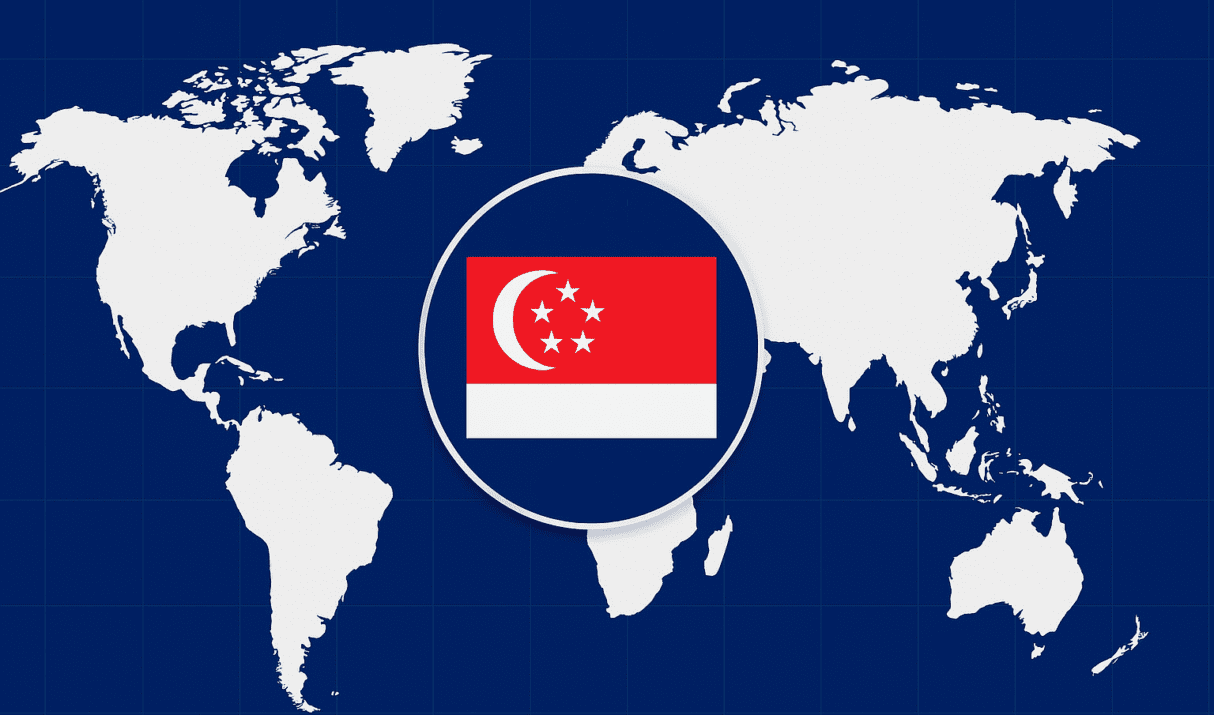
Singapore

Singapore Updates IMDA TS CMT 2026: New Requirements for 5G, VoLTE & Emergency Alerts

Singapore’s Info‑communications Media Development Authority (IMDA) has released the new Technical Specification for Cellular Mobile Terminals (TS CMT Issue 1 Rev 4, March 2026). This revision modernizes Singapore’s mobile device compliance framework, ensuring all devices sold locally meet the latest safety, performance, and public‑alert standards.

🚀 Modernized for 5G & Next‑Generation Networks

The updated specification strengthens requirements for 5G NR devices, covering both sub‑6 GHz and mmWave bands. Manufacturers must demonstrate full compliance with enhanced transmitter and receiver performance criteria, ensuring better reliability, improved spectral efficiency, and robust operation in Singapore’s rapidly expanding 5G environment.

📞 VoLTE Now Mandatory for Voice‑Capable Devices

All devices designed for voice calls must now support VoLTE by default, with full interoperability across Singapore’s mobile operators. This ensures consistent call quality while supporting the nation’s transition away from legacy networks.

📢 Enhanced Emergency Cell Broadcast: SG Alert

One of the most impactful updates is the expanded support for national emergency alerts. Devices must now:

  • Present alerts automatically without user interaction
  • Support multilingual messages
  • Use a standardized mandatory alert tone and vibration pattern
  • Override “Do Not Disturb” for critical SG Alert notifications

This guarantees a unified public‑warning experience during emergencies.

⚡ Stronger RF Safety & EMC Requirements

TS CMT 2026 updates RF exposure compliance to newer test standards, improving measurement accuracy for SAR and power density. EMC requirements have also been clarified and expanded, ensuring devices remain resilient under real‑world interference from other wireless systems and electrical environments.

📴 2G Disabled by Default

To align with Singapore’s network evolution, all devices must ship with 2G connectivity switched off. Re‑activation is only allowed through deliberate user action.

🔒 Updated Safety Requirements

All equipment must meet IEC 62368‑1 safety standards, and lithium batteries must comply with international battery safety requirements. These measures ensure safer operation across consumer, industrial, and enterprise environments.

For any questions, clarifications, or further information regarding this consultation, please contact: Sofilyx Compliance

Section Title

Vietnam Updates Product Certification Rules (Circular No. 14/2026/TT-BKHCN)

Vietnam’s Circular No. 14/2026/TT-BKHCN introduces a modern, risk-based approach to product...

FCC Offers Faster Certification for Products Tested in Trusted Labs

The FCC introduces new rules to accelerate certification for products tested in trusted labs while...

European Commission to Repeal Cybersecurity Regulation (EU) 2022/30 by 2027

The European Commission has confirmed the repeal of Delegated Regulation (EU) 2022/30 through...

Indonesia Regulation No. 8 of 2026: Radio Spectrum Allocation Update

Indonesia has introduced Regulation No. 8 of 2026, updating the national spectrum allocation...

Type Approval Is Now Required for Electronic Communications Equipment in Eswatini

From April 2026, Eswatini will require valid type approval certification for all electronic...

Hong Kong Frequency Allocation Table Update 2026: Key Regulatory Changes

The Office of the Communications Authority (OFCA) in Hong Kong has released updated radio equipment...

FCC Adds Foreign‑Produced Routers to the Covered List

The FCC announced the inclusion of routers produced in foreign countries on its Covered List...

Ecuador: ARCOTEL Updates the National Frequency Plan

ARCOTEL approved a comprehensive update to Ecuador’s National Frequency Plan, reinforcing spectrum...

PTA Authorizes Launch of 5G Services in Pakistan

The Pakistan Telecommunication Authority (PTA) has officially authorized Jazz, Ufone, and Zong to...